Having a beautiful garden doesn’t mean you need to spend every weekend trimming, watering, and maintaining plants. For busy homeowners, a low-maintenance garden can provide a relaxing outdoor space without becoming another time-consuming task. With the right plants, smart design choices, and a little planning, you can create a garden that looks great while requiring much less effort. Whether you have a large backyard or a small outdoor area, there are plenty of ways to enjoy greenery without constant upkeep.

Choose Easy-Care Plants

One of the simplest ways to create a low-maintenance garden is by choosing plants that naturally require less attention. Native plants, hardy shrubs, and drought-resistant varieties are often easier to care for because they are already adapted to your local climate. These plants usually need less water, fewer treatments, and less frequent maintenance compared to more delicate varieties. Selecting the right plants from the beginning can save you time and effort throughout the year.

Create a Simple Garden Layout

A well-planned garden layout can make maintenance much easier. Instead of filling every available space with plants, consider creating open areas with clear pathways and organized planting zones. A simple design not only looks clean and modern but also makes tasks like watering, pruning, and cleaning much faster. Keeping your garden layout practical allows you to enjoy the space without feeling overwhelmed by maintenance.

Use Mulch to Reduce Garden Work

Mulching is a helpful technique for homeowners who want a garden that takes care of itself more easily. A layer of mulch around plants helps retain moisture, reduce weed growth, and keep the soil healthier. This means you won’t need to water as often or spend as much time removing unwanted plants. Mulch also gives garden beds a neat, finished appearance that improves the overall look of your outdoor space.

Add Low-Maintenance Ground Covers

Ground cover plants are a great alternative to areas of grass that require regular mowing and watering. These plants spread naturally and create a green carpet that can fill empty spaces in your garden. Many ground covers are hardy and require very little attention once established. They can also help prevent weeds and reduce soil erosion, making them a practical choice for busy homeowners who still want a lush garden.

Install Smart Watering Solutions

Watering can be one of the biggest challenges for people with busy schedules, but simple solutions can make a big difference. Drip irrigation systems, soaker hoses, and automatic timers can help deliver water efficiently without requiring daily effort. These systems provide plants with consistent moisture while reducing water waste. A smart watering setup allows your garden to stay healthy even when you have limited time for maintenance.

Reduce Lawn Areas

Traditional lawns often require frequent mowing, watering, and fertilizing to stay healthy. Reducing the amount of grass in your yard can significantly lower the amount of work your garden requires. Consider replacing some lawn areas with decorative stones, garden beds, outdoor seating areas, or low-growing plants. These alternatives can create a stylish outdoor environment while saving you time on regular lawn care.

Choose Durable Outdoor Features

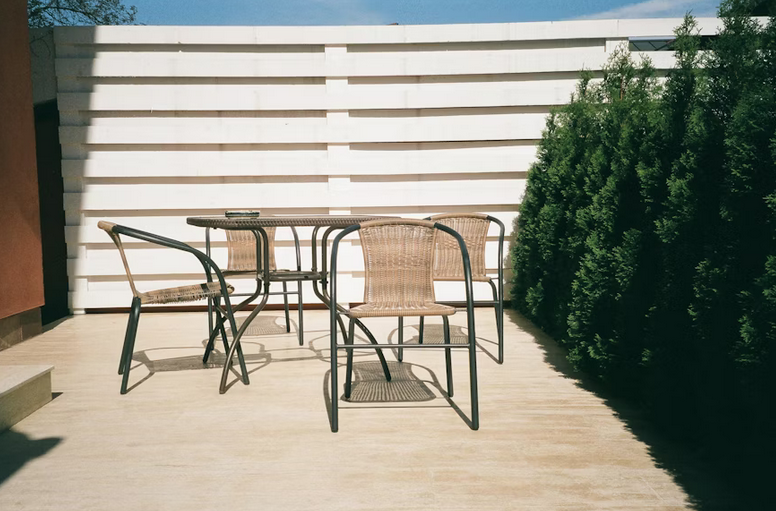
Adding practical features to your garden can make it easier to enjoy and maintain. Weather-resistant furniture, decorative rocks, raised garden beds, and simple outdoor lighting can improve your space without creating extra work. Durable materials require less cleaning and replacement over time, allowing you to spend more time relaxing in your garden instead of constantly maintaining it.

Embrace a Natural Garden Style

A perfectly manicured garden can require a lot of effort, but a more natural style can be both beautiful and easier to manage. Gardens with a mix of native plants, wildflowers, and natural textures often require less intervention while supporting local wildlife. Allowing some plants to grow naturally can create a charming outdoor space that feels welcoming without needing constant attention.

A low-maintenance garden is all about making smart choices from the start. By selecting easy-care plants, simplifying your design, and using practical solutions like mulch and automatic watering, you can create a beautiful outdoor space with less effort. A relaxing garden should fit your lifestyle, not add more work to your schedule.…

Read More

Interior design is entering a new era—one that feels like a hug. Welcome to the age of the soft home, where curves, comfort, and calm are the new cornerstones of good taste. As we move into 2025, sterile minimalism and sharp-edged furniture are giving way to organic shapes, cozy textures, and a more emotionally supportive environment. It’s not just about how a space looks—it’s about how it feels to live in it. Let’s explore why the soft home is more than just a trend and how it’s reshaping our spaces for the better.

From Structure to Sanctuary

The shift toward soft home design stems from a deeper desire for comfort and emotional wellness. Over the last few years, homes have evolved into multi-functional spaces—offices, classrooms, gyms, and more. This change has fueled a craving for interiors that feel nurturing rather than clinical. Rounded furniture, plush textiles, and calming colors help transform the home from a place of function into one of refuge. The lines are quite literally blurring, and that’s exactly the point.

Curves Are the New Edges

If 2024 was still clinging to mid-century modern’s sleek edges, 2025 has fully embraced the curve. Sofas now swoop instead of sit straight, coffee tables resemble pebbles more than planks, and even architecture is softening, with arched doorways and curved walls gaining popularity. These shapes are not only easier on the eye but also on the mind. Psychologists say that curves feel safer and more inviting, and in a world full of chaos, a little softness goes a long way.

Textures That Embrace You

Visual softness is only part of the story—tactile comfort is just as essential. Think boucle, velvet, sherpa, and plush cottons making their way onto furniture, throws, and rugs. These materials add warmth and depth, replacing the colder industrial materials that once dominated modern spaces. Touch is a powerful sense, and designers are leaning into it by incorporating surfaces that feel as good as they look. Soft homes don’t just please the eye—they welcome you in.

Earth Tones and Pastels Lead the Palette

Color choices in the soft home movement are shifting, too. While the stark whites and monochromes of past years symbolized cleanliness and order, today’s palettes lean into warmth and tranquility. Earth tones like terracotta, sage green, warm beige, and sand are everywhere. Soft pastels—like dusty rose and misty blue—add a touch of color without overwhelming the senses. The overall effect is serene, grounded, and restorative—exactly what we need in our living spaces.

Mindful Layouts Over Maximalist Statements

While maximalism had its moment, the soft home favors a more thoughtful approach. This doesn’t mean your home has to be minimalist—but it does mean every piece has a purpose. Rooms are being designed for flow, comfort, and function. Instead of crowding a space with bold statement pieces, designers are focusing on how people move through a room and how the space makes them feel. The result is a more mindful, balanced home where nothing screams—and everything whispers.

A Softer Home Reflects a Softer Life

Ultimately, the rise of the soft home isn’t just about aesthetics—it’s about values. People are seeking ease, peace, and emotional connection in their daily environments. This trend is part of a broader cultural shift toward slower living and intentional choices. Whether it’s curling up on a curved sofa or walking barefoot across a wool rug, the soft home is about feeling safe, seen, and soothed in the space you call your own.

In 2025, home design is less about status and more about soul. The soft home trend shows that what we want most isn’t a Pinterest-perfect space—it’s a place where we can unwind, recharge, and just be. As harsh lines fade away, what emerges is an interior style that prioritizes comfort, emotion, and warmth. And that might just be the most beautiful design trend of all.…

Read More

Are you tired of walking into a home that feels more ‘meh’ than ‘wow’? If you’re ready to shake things up and infuse a little creativity into your space, you’ve come to the right place. Weekend DIY projects are not just fun; they turn your living environment into a sanctuary of happiness without breaking the bank. You might even discover a new hobby in the process. But the best part is you won’t look at your home as a boring block anymore. In some cases, homeowners even find many small issues that they would never have noticed otherwise. So, whether you want to add personality with a vibrant statement wall or create functional pieces like floating shelves, check out these fixes.

Create a Statement Wall

Creating a statement wall is an effortless way to add drama and flair to any room. Choose a bold color or eye-catching wallpaper that reflects your personality. A vibrant hue instantly energizes the space, while interesting patterns bring texture and depth. Consider using stencils for an artistic touch. Geometric designs can often make even small rooms feel expansive. Alternatively, large-scale art pieces or framed photographs create visual interest without overwhelming the area. Don’t forget about materials! Wood panels or reclaimed barn doors offer warmth and character. You could also use chalkboard paint for a fun, interactive element where you jot down notes or doodles.

Upgrade Your Kitchen Cabinets

Kitchen cabinets are often the focal point of a kitchen. If yours feels like a horror kitchen, consider a simple upgrade. A delicate, fresh coat of paint never fails to breathe new life into outdated cabinetry. Choose a bold color for drama, or go with classic white for a clean look. If painting sounds like too much work, think about swapping out hardware. For instance, new knobs and handles can transform your cabinets instantly. Opt for modern metal finishes or rustic wood accents to match your style. Another idea is to add open shelving in place of some upper cabinets. This creates an airy feel while giving you space to display beautiful dishware or decorative pieces.

DIY Floating Shelves

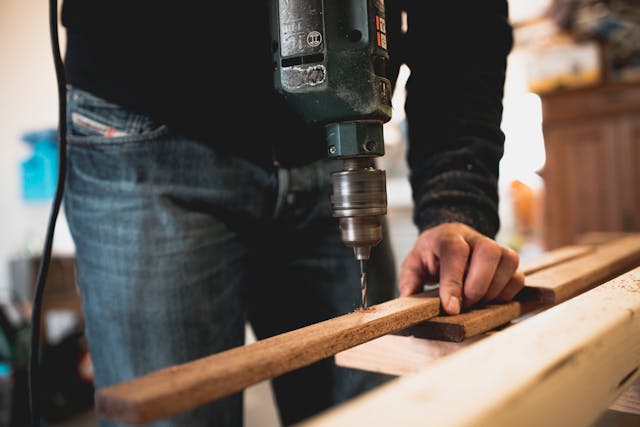
Speaking of shelving, you can also work on floating shelves. They add functionality without sacrificing style. You can showcase your favorite decor or books while keeping the floor space clear. To create these sleek shelves, start with sturdy wood planks. Choose a finish that complements your room’s aesthetic—whether rustic, modern, or something in between. Mounting brackets will provide hidden support and maintain that clean look. Don’t forget to measure carefully before drilling into the walls. Use a level to ensure everything is straight; nobody wants wonky shelving! You can personalize them by adding paint or stain that matches your theme. Consider arranging items by height or color for visual interest.

Build a Coffee Table from Reclaimed Wood

Can’t start your day without a cup of hot coffee? It’s time to upgrade your coffee corner by building a coffee table. You can make it simple if you choose reclaimed wood as the material. Old pallets, barn wood, or vintage furniture can all be transformed into a stunning centerpiece for your living room. Look for unique textures and colors that inspire you. Once you have wood, measure and plan the dimensions to fit your space perfectly. Cut the pieces with precision—this will ensure stability and aesthetics. Assemble the frame first, securing everything tightly without compromising style. Finish off with a natural stain or varnish to enhance the beauty of the wood while offering protection. These weekend projects are perfect for anyone wanting to elevate their living spaces quickly and easily. Dive in, get creative, and watch your home go from ‘meh’ to ‘wow’. Your dream space is within reach. You’ll love the result.…

Read More
house purchase

Every investor aims to reap the benefits from their investments. However, it can be financial or non-financial, depending on the industry that they choose. If you want real estate, then you are making the right choice since it is among the best sectors that provide many advantages to the investors.

Before you set forth with purchasing your first rental property, it is advisable to hire a professional real estate agent and conduct real estate market analysis. They have perfect homes that can suit your budget. Let’s look at the benefits of investing in real estate.

Long Term Financial Security

One of the benefits of investing in real estate offers investors with long-term financial security. Once you have a steady flow of cash, the reward of your investment will continue to bring financial rewards for an extended period.

When you own a property, this is a sense of your financial security based on the fact that the property’s appreciates over time. We all know that buildings and lands are appreciating assets, which means that your property’s value will increase over time.

Steady Income

There is no doubt that most investors consider investing in real estate due to the steady flow of cash that they get in the form of rental income. Based on the location, it is critical to note that you could be earning a significant income that you can use to cover your expenses and also invest in other businesses.

It is confirmed that urban towns or cities with universities and colleges tend to reap higher income since the demand is always high in these places. In case your workload becomes too much, you can manage your property by hiring professional property management experts.

Appreciation

As mentioned above, land and buildings are appreciating assets. Due to this reason, your property is likely to appreciate over time. At the same time, real estate investors make their profits through rental income. That is why their value tends to increase over time.

Real Estate Generates Employment

Once you invest in real estate, you are likely to contribute to the development of the economy by positively generating employment to unemployed people. We all understand that the rate of employment in specific areas is an indicator of the economy. By investing in real estate, you can employ people, which will help improve their welfare.…

Read More
a big cleaner on a carpet

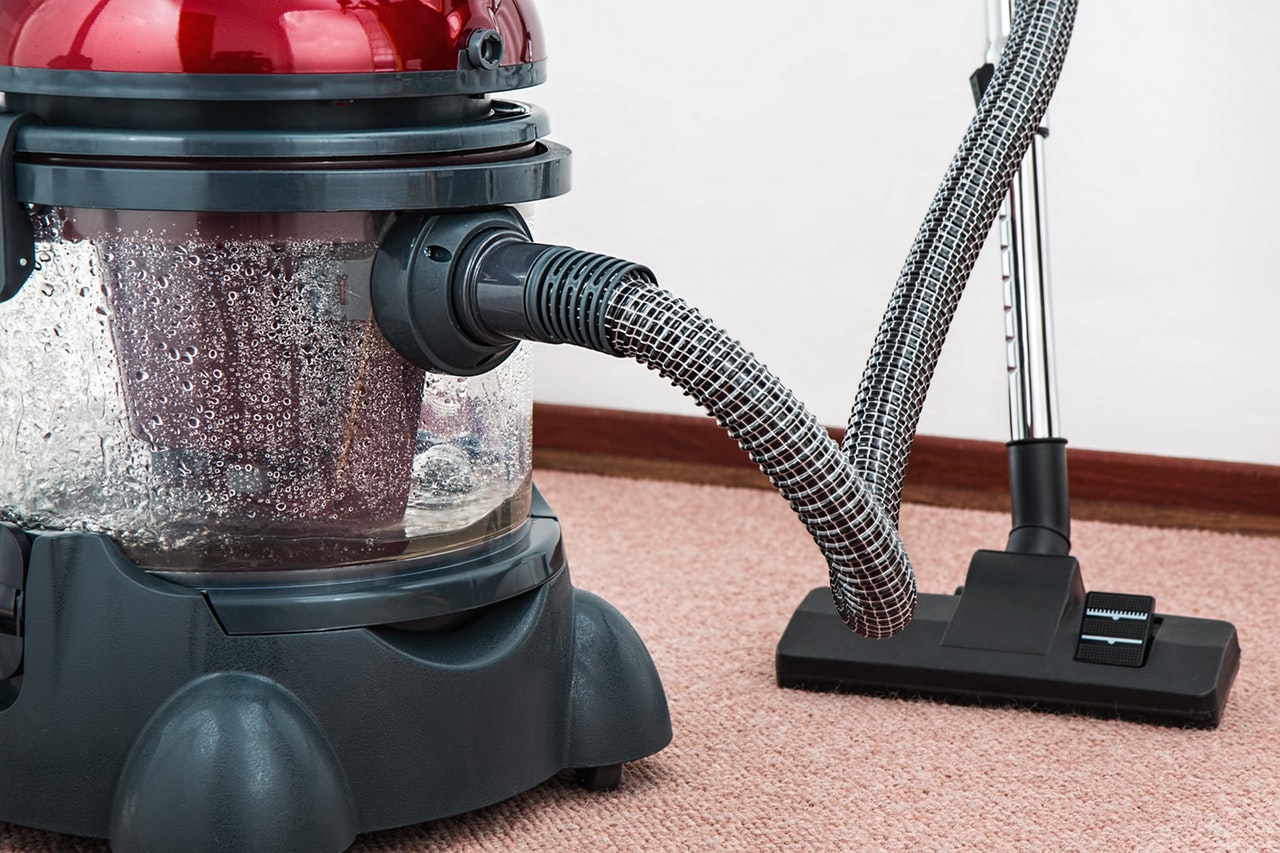
Most residents find it vital to invest in high-quality vacuum cleaners to help them with home cleaning projects. Although conventional people tend to rely on traditional cleaning kits, such as broomsticks and mop, the presence of vacuum cleaner proves to be their biggest help when it comes to cleaning the house with various floor surfaces. Carpets with deep pores, for instance, require the item to reach the deepest part of the pores, making sure it is dust-free and allergen-free as it will adversely affect the quality of the air flow.

In addition to the above information, buying the right vacuum cleaner is indeed not an easy task. There are things to consider and questions to ask, and all these considerations will lead to the most economical choices if one succeeds in presenting satisfying answers. Thus, this article presents several questions to ask before one decides to visit an electronics store to purchase the device. Please note that all the questions should relate to how one can handle the equipment and manage to make the most of it.


Do You Understand How It Works?

The first and most essential thing to ask is the residents’ ability to understand how the device works. It will be pointless to invest in one if they do not know how to operate the item. For this reason, it is advisable to learn one or two things before purchasing the device to make sure they understand the basic characteristics and purposes. Reading the manual carefully is also highly advisable since it is the only source of customized explanation. Remember that one vacuum cleaner may be different from others.

How Big Is Your House?

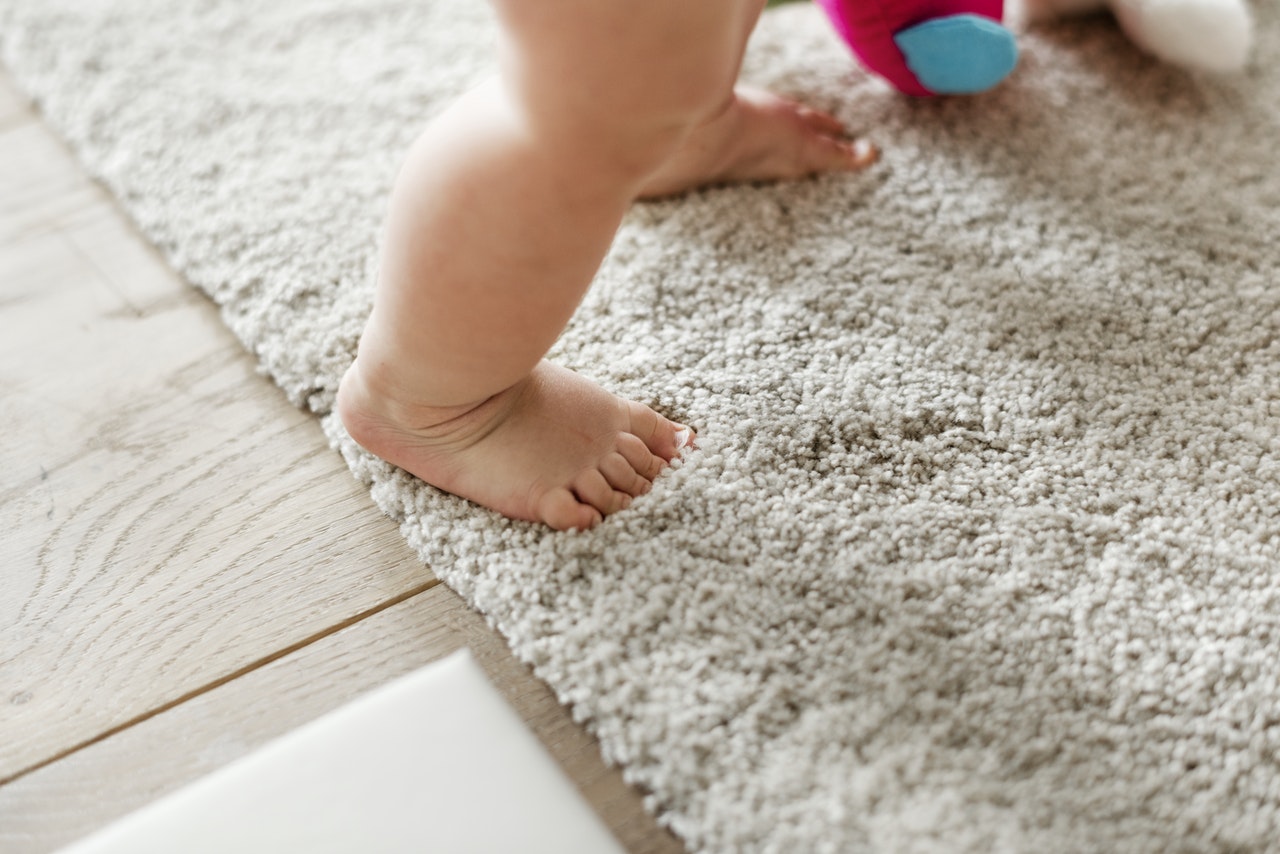
a baby standing on a carpetThe second question to ask is the size of the house. As residents need to be familiar with this information, it will also help them whenever the shopkeeper ask them about the capacity of the cleaner that they need. Vacuum cleaners are produced with different capacity and different functions, and it is vital to adjust the item’s power with the conditions at home. If you prefer carpets rather than hardwood flooring, then you will need a cleaner that can clean the surface without leaving debris and creating damages.

Some home experts will suggest investing in the upright models for such a home type. However, some other will also recommend purchasing the Roomba models for the same purpose. For this reason, it is crucial to refer back to the first question above to know more about each model. Fortunately, online references are available.…

Read More
Search for: